A Peek Into Filter Coffee Maker's Secrets Of Filter Coffee Maker


Filter Coffee Makers
While filters aren't often the hot topic of coffee conversations however, they can have an impact on your cup of joe. This model comes with useful coffee markers that can aid you in keeping track of your grounds.
The Wilfa CMC-100 is a balanced and nuanced filter for coffee. We were particularly impressed by the small brewing amount that the coffee goes through the flow regulator slowly, and gives an extremely balanced flavor.
Selecting the right coffee maker
There's a coffee machine for everyone, whether you want just a cup of coffee prior to a long day at work or a big pot for family and friends. This is a household appliance that is used frequently and it's crucial to select a model that meets your preferences and needs at the right price.
There are a variety of different filter coffee makers available on the market. Some use whole beans while others make use of capsules. However, all have the same basic concept ground coffee and hot water to extract flavor, and then pour grit-free coffee to cups, mugs or carafes. The type of filter you choose to use and the method of brewing will affect the coffee's quality and flavor. Medium grind sizes are ideal for drip coffee makers because it allows flavors to be evenly extracted. A finer grind may produce more bitter and less aromatic cup.
You'll also require filtered, clean water. This is particularly important in areas where hard water is present, as mineral deposits can accumulate and negatively impact your machine's performance and the taste of your coffee. Some coffee makers require you to regularly wipe down the reservoir and replace the filter.
Pour-over coffee makers gives you an approach that is more hands-on to making coffee. The brewing process takes bit longer than drip coffee makers, however the results are more personalised. This is a good choice for those who like to regulate the temperature of their coffee and grounds. It's environmentally friendly since it eliminates the need for disposable filter pods.
You can use a permanent or metal filter according to the design of your pour-over coffee maker. The filters are usually constructed from thin perforated steel sheets, fine plastic mesh or glazed porcelain sieves. The filter allows the hot water through while still holding the coffee grounds. The filter type you select will determine the taste and body of the coffee, as will the price. Paper filters result in more light and brighter cups, while a stainless-steel or ceramic reusable filter creates a bolder, more full-bodied cup.
The method of brewing
Filter coffee is made by pouring hot water through ground beans and a filter. This removes the flavor compounds that are added to the final cup. This can be done manually, with a pour-over set-up such as a Chemex or V60 or automated using an electric coffee maker. The size of the brew and the amount of coffee used affect both strength and flavour. A stronger brew will contain more bitter flavor compounds, whereas smaller ones are less powerful.
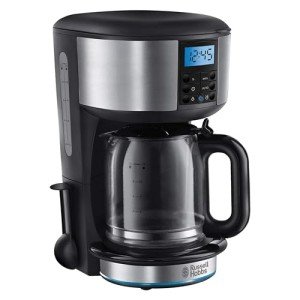
A drip coffee maker is a convenient and easy option when you want to be able to unwind. They have a reservoir to hold the water, as well as an brewing chamber below, in which the filters and grounds are placed. The brew is produced as the water seeps through the grounds and into the carafe or cup below, with the majority of models having programmable settings for automatic timers.
Another method of use is to make filter coffee using a French press. This method involves steeping coarse ground coffee in hot water, then pressing a plunger. This yields a rich and full-bodied brew with more of a taste than pour over or drip coffee.
There are a myriad of other brewing techniques, each with their distinct characteristics and preferences. Some of the major differences include acidity (brightness), aroma, mouthfeel bitterness, astringency, and mouthfeel. These attributes are also affected by the use of dairy products as well as dairy substitutes and sweeteners. Dairy products can cover delicate aromas, increase mouthfeel, and muffle delicate aromas, while sweeteners can mask bitterness and the astringency.
The filter type used can affect the flavour taste. Paper filters may contain chemicals and are then disposed of, whereas cloth or stainless steel filters are reusable. These are usually more, but they are believed to be better tasting coffee and are also environmentally friendly. Other materials for filtration include glass, ceramic, and porcelain. Some coffee makers allow you to choose the filter material you prefer. A timer function is an excellent addition to any filter coffee maker, since it will ensure that your coffee is ready when you want it.
The filter
Filter coffee makers are a great option for those who appreciate the fresh taste of freshly made coffee. Filter coffee makers separate the liquid from the grounds using a system of tanks and filters. Some of these machines can make several cups of coffee at once, which makes them ideal for large families.
The ratio of coffee to water, the method of grinding and the filter type can all impact your brew's flavor. To make the most delicious cup of filter coffee, try experimenting with various methods to discover the best one for you. To ensure that your coffee maker performs optimally it is crucial to maintain it regularly. A regular cleaning schedule can help prevent mineral deposits that can impact the taste and performance of your machine.
Pour over or filter coffee is a well-known method of brewing that uses filter paper or reusable metal filters to separate the grounds from the liquid. This method of coffee is less acidic than espresso and can be used to enhance more complex flavors. It is served in a variety of containers including mugs, glasses, or even a carafe.
Choose a filter that has smaller pores to minimize the transference of foreign flavors or particles. dripping coffee maker can also pick a filter with a chlorine-free or oxygen bleached procedure which decreases the amount of chemicals that are released into your beverage. Bleached filters can impart a subtle taste of paper to your drink however, you can lessen the taste by pre-wetting your filter before brewing.
Pour the water into the filter coffee maker and place it in the designated area. Press the appropriate button to start the brewing process. The machine will warm the water before spreading evenly over the coffee grounds in the filter. The brewed coffee will be poured into the pot below.
To keep your coffee maker in good condition, clean the filter and brew basket after every use. It is recommended to wipe down the reservoir of water regularly especially in areas with hard water. Cleaning the reservoir of mineral deposits can prevent scale buildup and improve the performance of your filter coffee maker.
The carafe
The filter coffeemaker is a simple and easy way to make coffee in the morning. It also helps you to reduce energy and money by removing the necessity for expensive ground coffee or coffee pods beans. By using water that is filtered and the correct size filter, you can enhance the taste of your coffee while reducing the amount of waste generated by your coffee maker.
If you're looking for a glass carafe or a stainless steel carafe there is sure to be one that meets your needs. The best carafes will be constructed from top-quality materials and designed to be simple to hold. They have handles and spouts to make pouring easy. They feature a thermal construction which keeps your coffee hot for longer.
The coffee carafe, in addition to being practical and eco-friendly, is a great way to serve large quantities of coffee. The size of the carafe will determine how much you can serve at a time. Many people buy a glass carafe that can hold 12 cups of coffee. They can serve an entire group of people at one time without having to refill it multiple times.
In recent years, the carafe as a vessel to store and serve wine has become more popular. Wine decanters have been utilized for centuries to serve specific functions, like aeration or decantation. But, carafes are now flexible and can serve a variety of beverages.
While the method of brewing and filter type are key elements in determining the flavor of your coffee, the manner in which you store it is just as crucial. For instance, if you store your coffee in a plastic container, it will absorb some of the oils that give it its distinctive flavor and scent. This can lead to an unpleasant taste or smell.
Similarly to the previous point, if you store your coffee in aluminum or tin containers, it may lose its freshness as time passes. These metals can react with certain compounds in the coffee, resulting in an unpleasant odor or a metallic taste. If you decide to store your coffee in a glass carafe it will remain fresh for longer because the container is not reactive to these chemicals.